


How to Make Your Taiwan Trip a Mandarin Immersion Experience for Your Kid
By Jeanne Chang,
founder of Mama & Baby Learn Mandarin
Are you hoping a trip to Taiwan will help your kids learn Chinese? For our family, spending time in Taiwan has been one of the most effective ways to improve their Mandarin.
I’m a Taiwanese American mom, born and raised in the U.S., and I didn’t learn Mandarin growing up. When I became a mom, I realized I wanted my children and me to have a connection to our Taiwanese heritage, our language, and our relatives. So we started going back to Taiwan whenever we could.
Over the years, my kids have attended summer camps, spent time in Taiwanese schools, traveled around the island, and spent countless hours with relatives. All of that time surrounded by Mandarin has had a huge positive impact on their fluency.
Here are my best tips for helping your kids learn Mandarin while making unforgettable memories in Taiwan.
Why Take Your Kids to Taiwan to Learn Chinese?
Your kids will be surrounded by the language
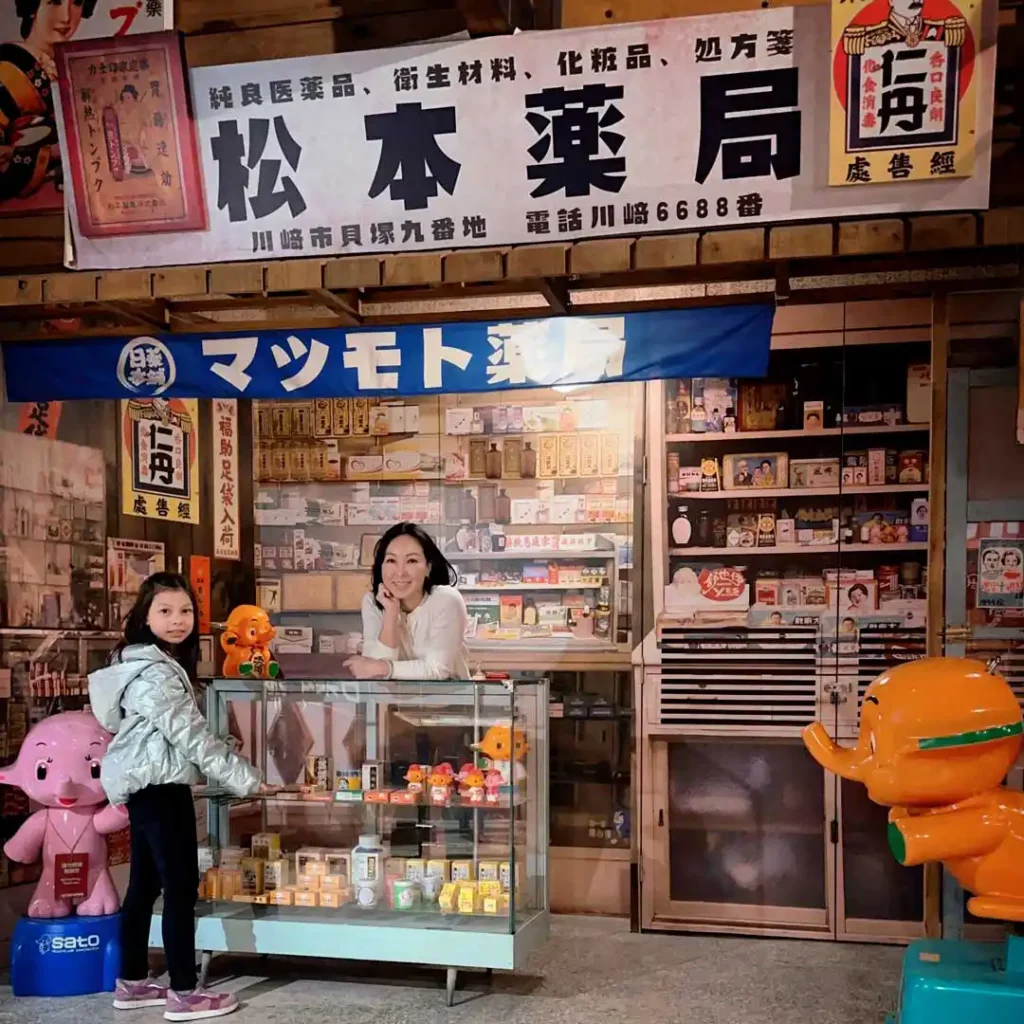
One of the biggest advantages of learning Mandarin in Taiwan is that the language is everywhere. Your kids can hear Mandarin at restaurants, markets, on public transportation, at museums, camps, shops, and playgrounds. Taiwan gives your child many opportunities to speak Chinese outside of the classroom.
The Taiwan Tourism Administration itself describes Taiwan as an ideal place to learn Mandarin, with numerous language schools and programs for international students.
Taiwan can be an affordable destination
While your flights to Taiwan might be a major expense, your money can go much further than it does for many U.S. family vacations.
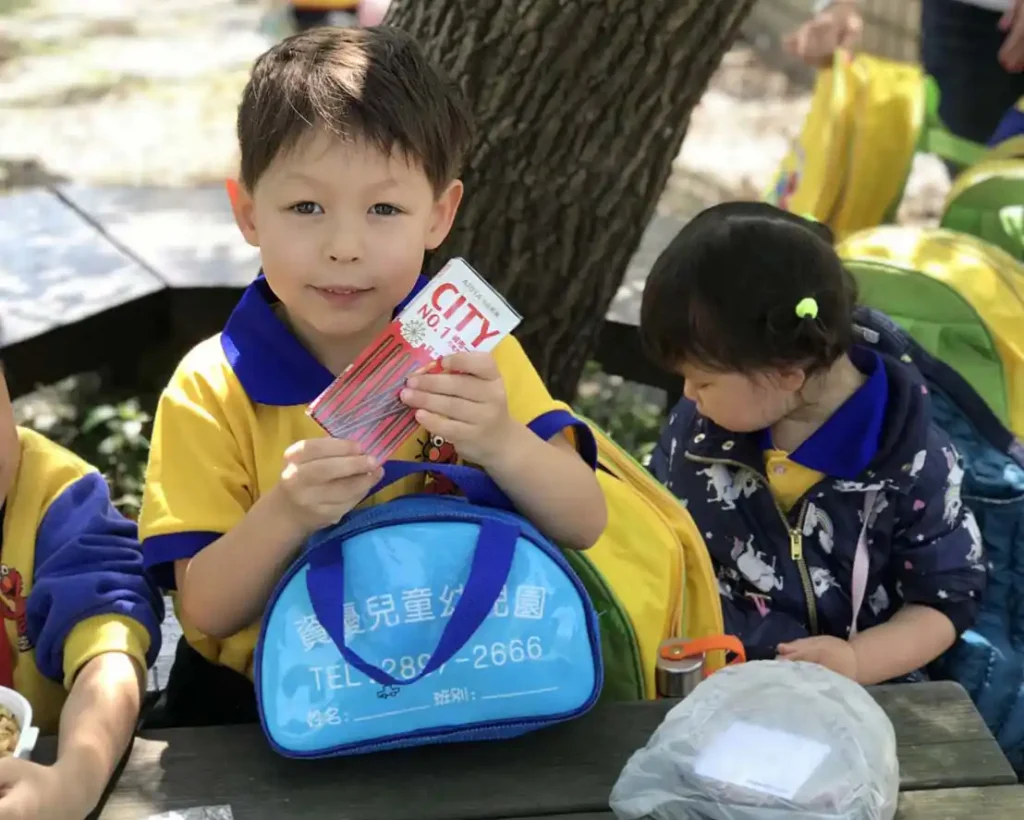
In California, a month of preschool costs $1800 USD per month per child. We spent 3 months in Taipei and enrolled my kids in a local preschool for less than $400 USD per child each month. The tuition savings totally made up for the cost of the flights!
It’s easy to find affordable activities. Admission to the National Taiwan Museum is just NT $30 ($0.94 USD) for adults, while kids under 6 enter free. If your children are under 6 years old, the indoor playgrounds (parent-child centers) are free.
Food is where you can find the real deals! If you are on a budget, a bowl of noodles at the traditional morning market costs only NT $60 ($1.88 USD). A meal set at a casual restaurant could run you NT $400 ($12.56 USD). And you can still find Taiwanese shaved ice for NT $50.
As for accommodations, we usually rent a short-term apartment with modern amenities for about NT $2000 ($62.80 USD) per night. You can find five-star luxury hotels as well.
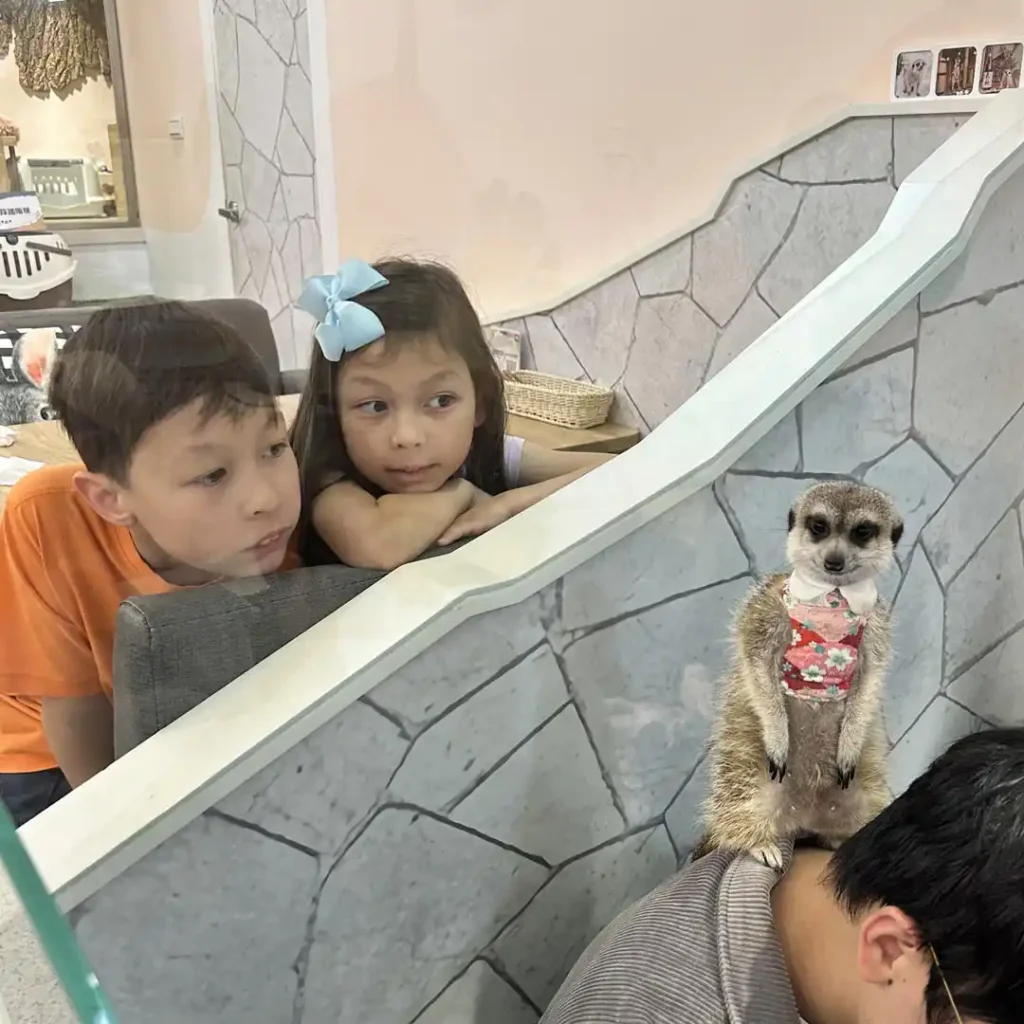
It’s a safe place to travel with kids
Taiwan is a place where I feel comfortable letting my kids experience a little independence. My kids have been taking the bus and MRT to school on their own since they were 7 and 9 years old.
The U.S. State Department gives Taiwan its lowest travel advisory, and describes street crime as minimal and violent crime as rare. Overall, I feel comfortable taking my kids on public transportation, walking around neighborhoods, visiting markets, and exploring Taiwan as a family.
Locals are generally friendly. Taiwanese people are willing to help if you need directions or just want to chat!
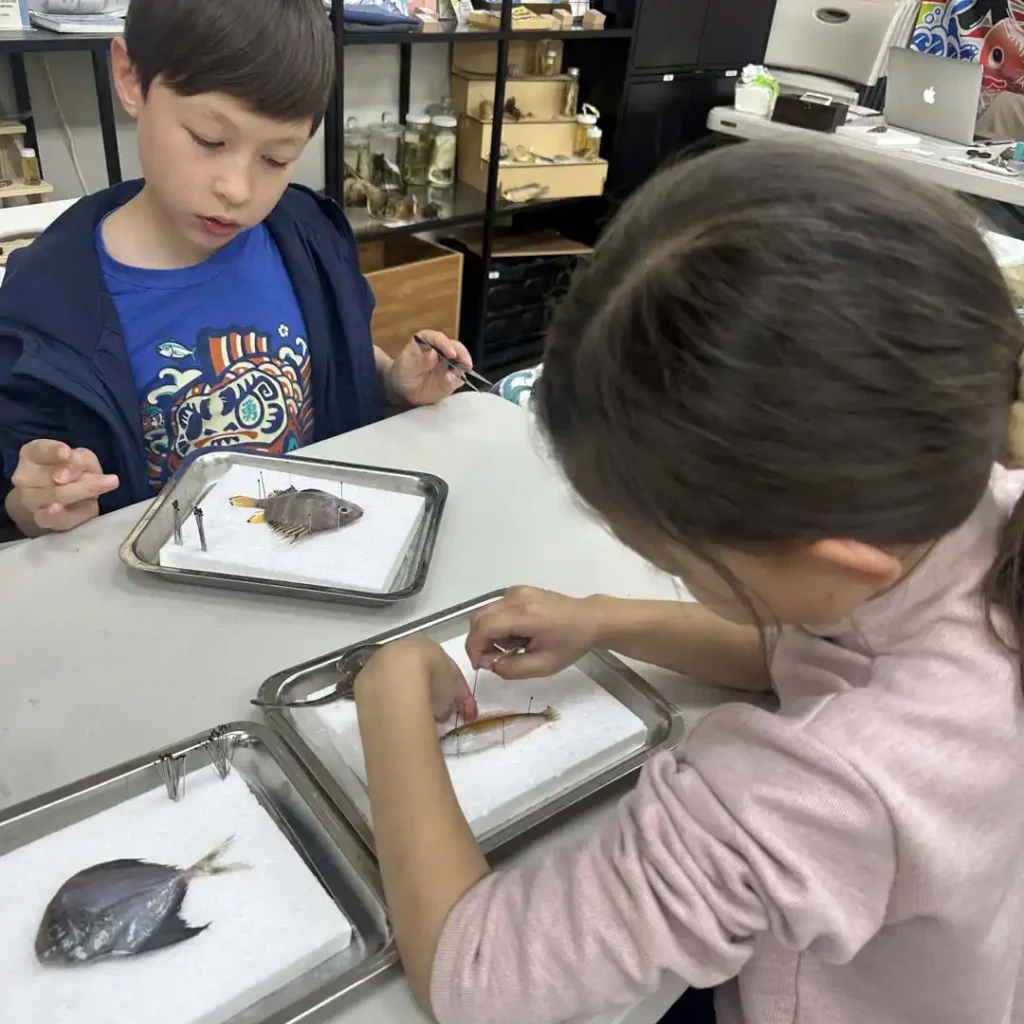
Looking for a Taiwan summer camp?
If you’re spending several weeks in Taiwan, a camp can be one of the easiest ways to give your child regular Mandarin exposure while interacting with other children.
I’ve put together an Ultimate List of Summer and Winter Camps in Taiwan with programs for different ages, interests, and Mandarin levels. You’ll find everything from Mandarin immersion and traditional culture to science, art, sports, nature, and adventure camps.
Some camps are specifically designed for overseas children learning Mandarin. Others are conducted primarily in Mandarin with local Taiwanese children.
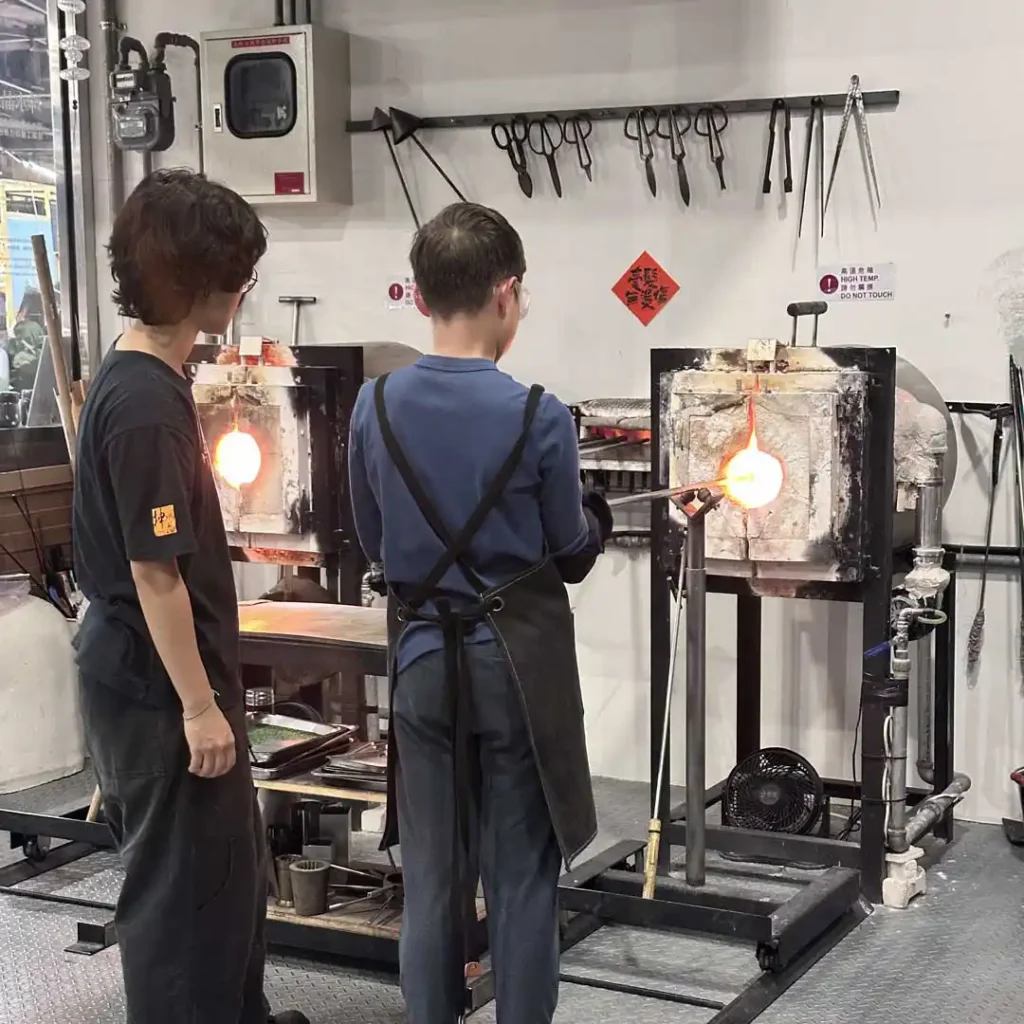
What If It’s Not Camp Season?
If you’re visiting Taiwan during a time of year when there aren’t many camps, there are still plenty of ways to create your own version of Mandarin immersion. Taiwan is one of my favorite places to travel with children because there is so much to do within a relatively small area.
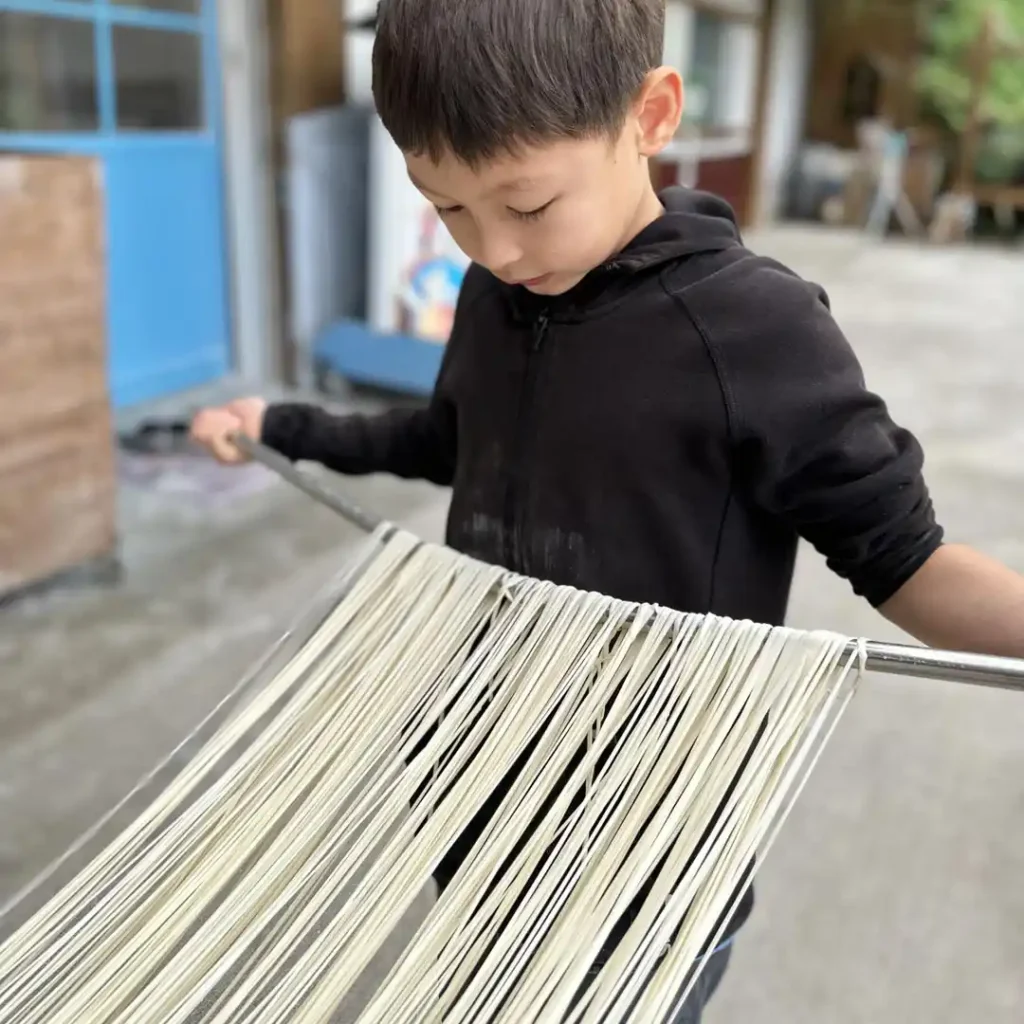
I’ve put together The Best Things to Do in Taipei With Kids. Some of our most memorable experiences include glass blowing ($30+ USD), making red turtle cakes (ang ku kueh), and pulling noodles. These activities give kids a chance to hear and use Mandarin naturally while having fun, rather than feeling like they’re in a language lesson.
Sometimes, learning while doing can be more effective than learning in a classroom. When kids are immersed in a language while doing something they enjoy, the words tend to stick. Sometimes the best Mandarin lesson is one where your child doesn’t even realize they’re learning.
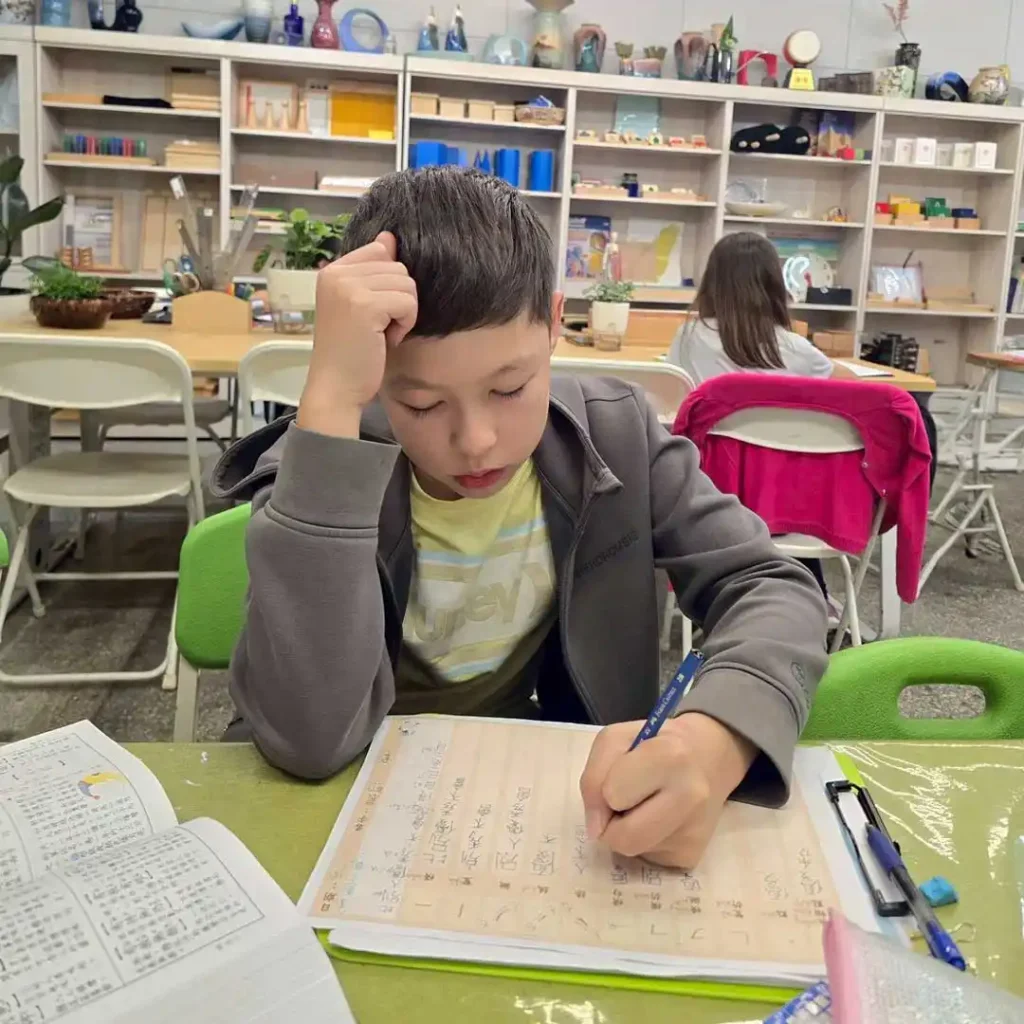
Set realistic expectations for language learning
For kids who are already learning Chinese, a few weeks immersed in the language can sometimes lead to a huge jump in language acquisition. All the vocabulary and phrases they’ve been learning at home suddenly have real-world context. They may start understanding more, picking up new words quickly, and speaking more naturally simply because they’re hearing and using Mandarin all day.
If your child is an absolute beginner, they are not going to be fluent after two weeks in Taiwan.
Your Taiwan trip won’t be a shortcut to fluency.
Your child may understand more than they did before. They may pick up new vocabulary without realizing it. They may become more comfortable hearing Mandarin and Taiwanese and more open to learning. And that is a meaningful change for many families!
Your job isn’t to make them fluent during one summer in Taiwan. Your job is to give them enough positive experiences with the language that they’ll want to keep going.
The Trip May Matter More Than You Think
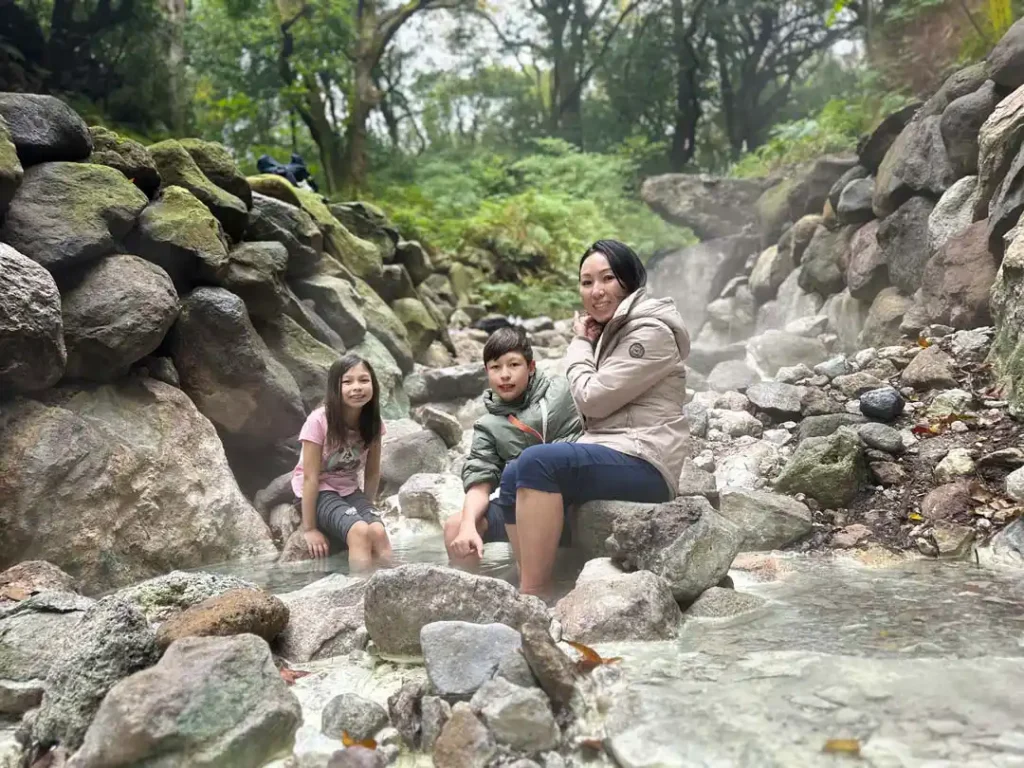
Sometimes, a trip to Taiwan creates a connection that lasts much longer than the trip itself.
Growing up, I spent every summer in Taiwan, but I didn’t learn Mandarin. At the time, I wasn’t particularly interested in learning the language, and I certainly didn’t understand how important that connection would become later in my life.
What stayed with me was my connection to my relatives, the places I visited every summer, the food, the culture, and the feeling that Taiwan was part of my story.
Years later, as an adult and a new mom, those memories became the reason I wanted to learn Mandarin on my own. I wanted to be able to communicate with my family and give my children a connection to Taiwan.
I’ve met parents who feel discouraged when their kids resist Mandarin or don’t seem interested in Taiwanese culture. Sometimes you may wonder if it’s even worth taking a child back to Taiwan when they don’t want to speak Chinese, don’t want to visit relatives, or seem completely uninterested in the culture.
Take the trip anyway! You never know which part of the trip will stay with them.
Maybe it’s a summer spent with their grandparents. Maybe it’s a favorite night market, a camp friend, a silly family tradition, or a place they visited every year as a child. You’re giving them experiences, relationships, and a lifetime of memories.
The language might come later, as it did for me.
About Jeanne Chang
Jeanne Chang is the Taiwanese American founder of Mama & Baby Learn Mandarin, a resource for parents raising bilingual children in Mandarin and English. Based in the San Francisco Bay Area, she shares practical ideas for teaching Mandarin, bilingual parenting tips, Taiwan summer camps, and family-friendly experiences that help overseas families reconnect with Taiwanese culture.
She has spent years researching and trying out camps, schools, and family experiences across Taiwan. Her goal is simple: help other parents pass on the language and culture without making bilingual parenting feel so overwhelming.